
Language: English

WHO Updates Essential Medicines List (2023): Obesity Drugs Removed; Ebola and MS Drugs Added

Introduction The World Health Organization (WHO) has just updated its 23rd Essential Medicines List. This list includes medicines that are really important for good healthcare. It now has some new medicines for diseases like Ebola and multiple sclerosis. But the current list doesn’t include medicines for obesity. What are Essential Medicines? Essential medicines are those …

WHO Updates Essential Medicines List (2023): Obesity Drugs Removed; Ebola and MS Drugs Added Read More »

The Future of Uterus Transplantation: Innovating Motherhood

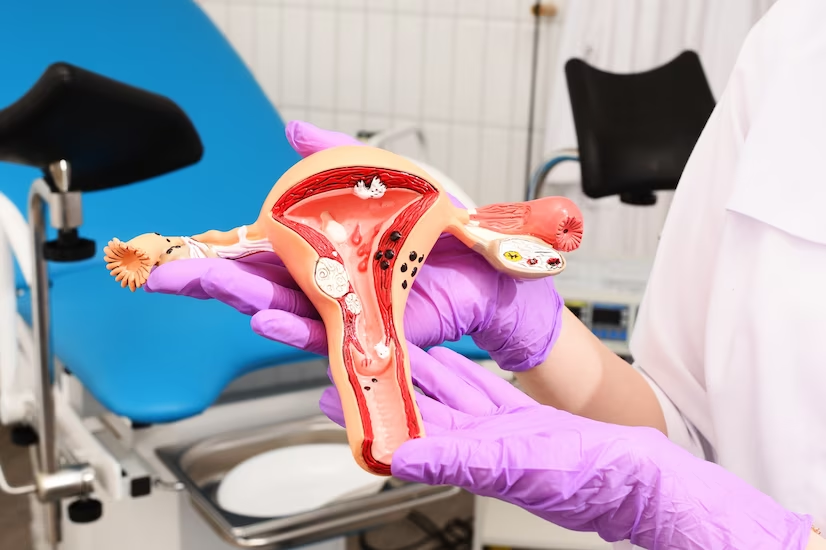
Introduction Absolute Uterine Factor Infertility (AUFI) is a type of fertility disorder where the absence or dysfunction of the uterus makes conception and maintaining a pregnancy impossible. This condition impacts approximately 1 in 500 women of reproductive age and accounts for around 8% of infertility cases in couples. Women experiencing AUFI due to congenital conditions such …

The Future of Uterus Transplantation: Innovating Motherhood Read More »

Radiation Revitalized: The Promise of Nuclear Medicine Therapy

IntroductionIn medicine, progress is an unstoppable force that continually uncovers new ways to diagnose, treat, and ultimately overcome diseases. Nuclear Medicine Therapy stands out as an exceptional innovation among these advancements. Combining precise targeting methods and the power of radiation, it introduces a new level of therapeutic potential. This modern approach could revolutionize how we address various …

Radiation Revitalized: The Promise of Nuclear Medicine Therapy Read More »

Intravascular Lymphoma Presenting with Hot Lung Sign

Introduction Intravascular large B-cell lymphoma (IVLBCL) represents an uncommon variant of extranodal non-Hodgkin lymphoma (NHL) with malignancy originating from B-cells and challenging-to-diagnose condition due to its scarcity, nonspecific symptoms, and rapid progression.1,2 A case presents a male patient in his early 70s who exhibited the intriguing “hot lung sign” on 18F-fluorodeoxyglucose positron emission tomography (PET) CT, leading to the diagnosis of IVCL.3 Case Presentation3 Figure …

Intravascular Lymphoma Presenting with Hot Lung Sign Read More »

Clinical Practice Guideline for the Management of Posttraumatic Stress Disorder (PTSD) and Acute Stress Disorder

Introduction The Clinical Practice guideline by the Department of Veterans Affairs (VA) and the US Department of Defense (DoD) offers evidence-based recommendations for assessing, diagnosing, preventing, and treating Posttraumatic Stress Disorder (PTSD) and Acute Stress Disorder. The guideline is a valuable resource for healthcare professionals, aiming to enhance the quality of care provided to individuals affected by these disorders.1 Recommendations1 …

Clinical Practice Guideline for the Management of Posttraumatic Stress Disorder (PTSD) and Acute Stress Disorder Read More »

Why is Havana Syndrome in the News Again?

Introduction1Havana Syndrome has become a mysterious and concerning issue that is affecting people, mainly those working in intelligence and embassies for the United States. It was first noticed in Havana, Cuba, in 2016 and later reported in countries like China, Russia, and India. This article will examine Havana Syndrome, its symptoms, possible reasons, ongoing investigations, …

Why is Havana Syndrome in the News Again? Read More »

Unveiling the Unusual: Wart-like Tumor Develops in Woman’s ‘Extra Breast’ Under Armpit

IntroductionThe human body is a masterpiece of complexity, a canvas where nature showcases a stunning array of differences and unusual features. In a recent medical case that captured experts’ attention, a woman’s ‘extra breast’ under her armpit took a surprising twist by growing a wart-like tumor. This extraordinary occurrence showcases human development’s complexity and emphasizes …

Unveiling the Unusual: Wart-like Tumor Develops in Woman’s ‘Extra Breast’ Under Armpit Read More »

Recurrent Group B Streptococcus Infection in an Extremely Premature Infant from Neonate to Toddler: A Case Report

Summary Introduction Group B streptococcus (GBS) infection is a significant cause of neonatal morbidity and mortality worldwide.1 It can manifest as early-onset (EOD) or late-onset (LOD) infection.2 Various initiatives, including intrapartum antibiotic prophylaxis, aim to reduce GBS-related complications, but LOD incidence has risen despite these efforts. Recurrent GBS infection occurs in a 0.5%–3% percentage of infants with LOD.3,4 Proposed …

Recurrent Group B Streptococcus Infection in an Extremely Premature Infant from Neonate to Toddler: A Case Report Read More »

Conjoined Twins: Case Studies and DNA Analysis

Introduction Conjoined twins, an extraordinary medical phenomenon, have long fascinated both the medical community and the general public. Among the array of conjoined twin variations, heteropagus conjoined twins stand as an even rarer occurrence. Distinguished by their asymmetry, heteropagus twins comprise one nearly normal twin (autosite) and another incompletely formed twin physically attached to the …

Conjoined Twins: Case Studies and DNA Analysis Read More »

About Hutchinson-Gilford Progeria Syndrome

Progeria, or Hutchinson-Gilford Progeria Syndrome (HGPS), is rare, fatal genetic disorder manifesting as accelerated ageing. Early infancy appears normal, but growth delays occur around 9-24 months, causing short stature and low weight. Distinctive facial features emerge small face, an underdeveloped jaw, prominent eyes, a small nose, and blueness around the mouth. Hair loss follows, and arteries thicken prematurely, leading to cardiovascular issues. By age 14.5, heart disease claims lives. Like ageing adults, progeria patients face high blood pressure, strokes, angina, heart enlargement, and failure.

Data Privacy Notice

This Privacy Notice shall be read in conjunction with the Privacy Policy to the extent this Notice does not mention or specify the particulars that should have been mentioned or specified relating to the Notice in pursuance of the provisions of the Data Protection Laws as applicable.

On having accessed or visited this Platform you the Noticee hereby voluntarily consent to and take notice of the fact that the personal data, by which or in relation whereto you the concerned Noticee is identifiable, shall be retained, stored, used, and may be processed by the Company for the purpose and in the manner, though legal, found suitable to it for commercial and/or some other reasons. The detailed specificity whereof may be found in the Privacy Policy. The consent provided herein may be withdrawn anytime by you, the Noticee, at its own volition by removing your profile or by writing to us at support@docquity.com.

As a Noticee, you shall have the right to grievance redressal, in relation to your consent or our use of your personal data, which you may address by writing to us at dpo@docquity.com. Should you, the Noticee, thereafter remain unsatisfied or dissatisfied with the resolution provided by us, you, the Noticee, may approach the concerned regulatory authority for the redressal of your grievance.

Data Privacy Notice

By using this platform, you consent to our use of your personal data as detailed in our Privacy Policy, and acknowledge that we use cookies to improve your browsing experience